Warehouses play an essential role in Melbourne’s supply chain, supporting storage, inventory management, manufacturing, distribution, and logistics operations. With employees, forklifts, pallet trucks, delivery vehicles, and stock moving throughout the day, maintaining a clean and organized warehouse is important for more than just appearance. It directly affects workplace safety, hygiene, productivity, and operational efficiency.
Dust accumulation, spills, cluttered walkways, dirty floors, and poorly maintained storage areas can create unnecessary risks for employees and disrupt daily operations. Without a consistent cleaning programme, these issues can gradually affect working conditions, damage stored products, and increase maintenance costs.
Professional Warehouse Cleaning Services in Melbourne help businesses maintain cleaner, safer, and more organized facilities. From floor scrubbing and dust removal to waste management and high-level cleaning, a structured cleaning approach supports a healthier working environment while allowing employees to focus on their responsibilities.
For business owners and facility managers, understanding the importance of warehouse cleanliness can help improve daily operations and create a more productive workplace.
1. Improving Workplace Safety Through Regular Warehouse Cleaning
Workplace safety should always be a priority in warehouses. Busy environments often involve heavy equipment, moving vehicles, loading activities, and employees working across different areas. Even minor cleaning issues can lead to accidents if they are not addressed promptly.
Preventing Slips, Trips, and Falls
Spilled liquids, oil stains, packaging materials, loose debris, and dust can make warehouse floors hazardous. Employees carrying stock or operating equipment may struggle to identify these risks, particularly in busy work areas.
Regular cleaning helps remove potential hazards before they cause injuries. Professional cleaners can focus on:
Removing oil, grease, and liquid spills.
Cleaning dusty and slippery floor surfaces.
Clearing debris from walkways and workstations.
Maintaining clean loading and unloading areas.
Keeping emergency exits and access routes unobstructed.
Clean floors and organized walkways make it easier for employees to move safely throughout the facility.
Reducing Risks Around Machinery and Equipment
Dust and debris can accumulate around machinery, conveyor systems, storage racks, and operational equipment. If left unattended, this build-up may interfere with equipment performance and create additional maintenance concerns.
Routine cleaning helps maintain cleaner surroundings and reduces unnecessary contamination around frequently used machinery.
2. Maintaining Better Hygiene and Indoor Air Quality
Warehouses can accumulate considerable amounts of dust due to packaging materials, vehicle movement, incoming stock, and everyday operational activities.
Poor cleaning practices may contribute to uncomfortable working conditions, particularly in enclosed facilities where ventilation is limited.
Controlling Dust and Airborne Particles
Dust can settle on shelving, storage racks, equipment, floors, and work surfaces. When forklifts and other machinery move through the building, settled dust may become airborne again.
A professional cleaning programmer can include:
Industrial vacuuming of warehouse floors.
Dusting of shelving and accessible surfaces.
Cleaning ventilation grilles and surrounding areas.
Removing accumulated debris from corners.
Scheduled high-level dust removal where appropriate.
These activities help reduce dust accumulation and support better workplace hygiene.
Keeping Shared Areas Clean
Warehouse employees regularly use lunchrooms, bathrooms, changing rooms, offices, and common facilities. These areas require particular attention because they are shared by multiple workers throughout the day.
Cleaning and disinfecting frequently touched surfaces, sanitizing amenities, and maintaining clean kitchen areas can help reduce the spread of germs.
A hygienic workplace also improves employee comfort and demonstrates that management takes staff wellbeing seriously.
3. Supporting Operational Efficiency and Productivity
A clean warehouse is generally easier to manage than a cluttered or poorly maintained facility. When stock areas, workstations, and access routes are organized, employees can complete their tasks with fewer interruptions.
Improving Workflow and Accessibility
Dusty floors, misplaced materials, and waste around operational areas can slow down everyday activities. Employees may spend additional time navigating obstacles or locating accessible working spaces.
Consistent cleaning helps maintain clear pathways, organized work areas, and accessible storage zones.
This can support smoother activities such as:
Receiving and inspecting deliveries.
Picking and packing customer orders.
Moving stock between storage areas.
Loading and unloading vehicles.
Conducting inventory checks.
Reducing Equipment Maintenance Issues
Dirt, dust, and debris can gradually affect warehouse equipment and surrounding surfaces. Although cleaning cannot replace scheduled servicing, it can complement preventative maintenance programmers.
Keeping floors, machinery surroundings, and operational spaces clean makes it easier to identify leaks, damage, and other maintenance concerns before they become more serious.
4. Protecting Inventory, Stock, and Warehouse Infrastructure
Warehouse facilities often store valuable products, raw materials, packaging supplies, and equipment. Poor hygiene and inadequate cleaning can increase the risk of contamination and damage.
Preventing Dust and Dirt Accumulation on Stored Products
Dust can settle on packaging, cartons, shelves, and exposed inventory. In industries handling sensitive products, this may create additional quality and hygiene concerns.
Regular cleaning of storage areas helps maintain suitable conditions and supports better inventory presentation.
Maintaining Warehouse Floors and Surfaces
Warehouse floors experience considerable pressure from forklifts, pallet jacks, heavy loads, and constant foot traffic.
Dirt and chemical residues can contribute to surface deterioration if not managed properly. Suitable industrial floor cleaning helps remove accumulated grime and supports ongoing facility maintenance.
For warehouses across Melbourne, including industrial areas such as Dandenong, Campbellfield, Laverton, and Trigemini, maintaining clean floors and storage environments can be an important part of long-term facility management.
5. Why Professional Warehouse Cleaning Is Important for Melbourne Businesses
Warehouse cleaning requires more than basic sweeping and mopping. Large industrial spaces often contain specialized equipment, elevated storage systems, heavy machinery, and high-traffic operational zones.
Professional cleaning teams understand the importance of using appropriate equipment, cleaning products, and methods for different warehouse environments.
Access to Commercial Cleaning Equipment
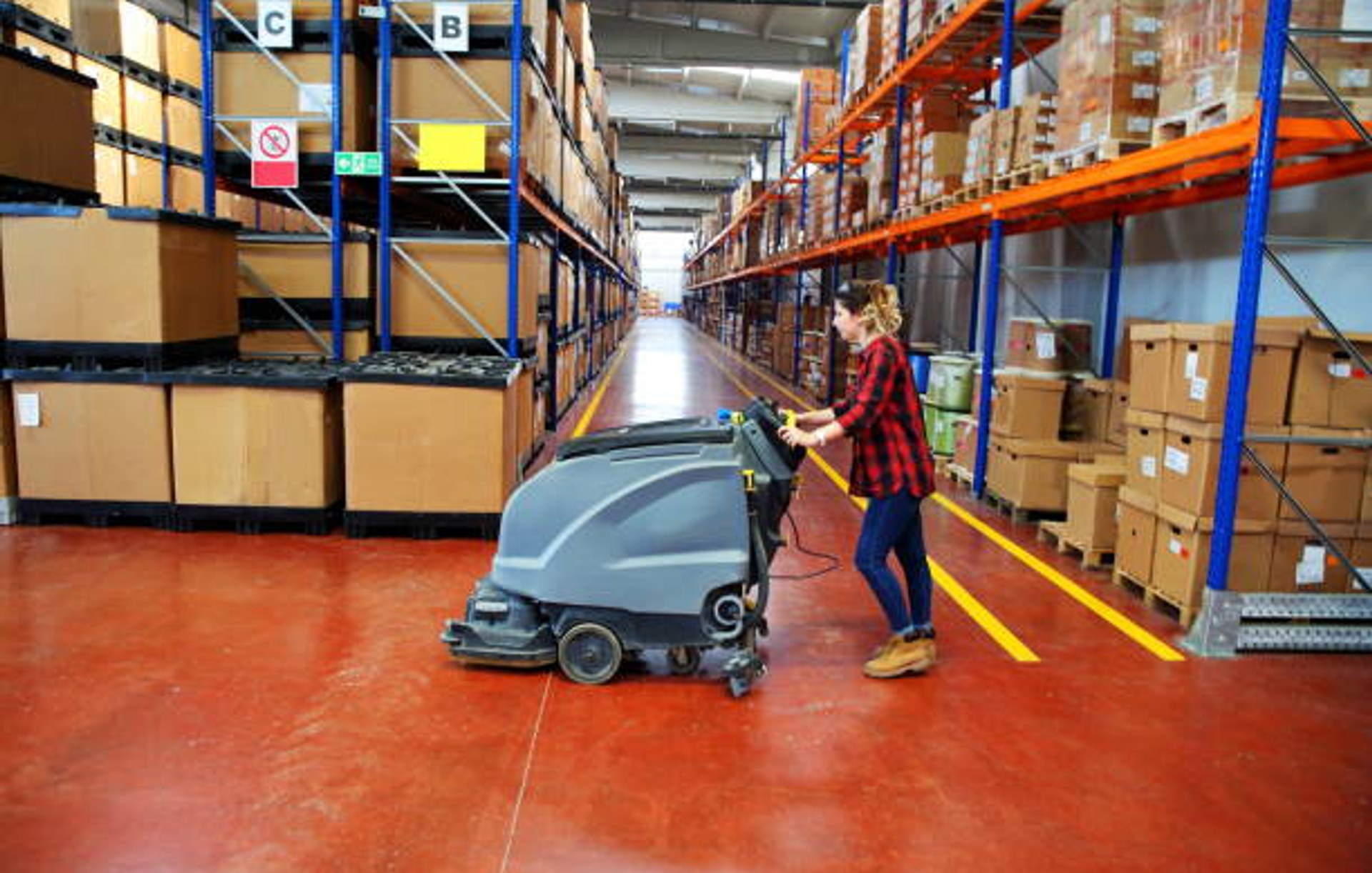
Professional cleaners may use industrial floor scrubbers, commercial vacuum cleaners, pressure cleaning equipment, and suitable cleaning solutions to handle different surfaces and cleaning requirements.
The right equipment helps achieve more consistent results, particularly in large warehouse facilities.
Flexible Cleaning Schedules
Warehouse operations may run during standard business hours, overnight, or across multiple shifts. Cleaning schedules should therefore be planned around operational requirements.
Depending on the facility, cleaning may be arranged:
Before warehouse operations begin.
After business hours.
During scheduled operational breaks.
On weekends or during quieter periods.
Through daily, weekly, or periodic cleaning programmer.
Flexible scheduling helps minimize disruption while maintaining consistent cleaning standards.
Trained Cleaning Professionals
Industrial cleaning involves working around machinery, vehicles, chemicals, and heavy stock. Cleaning personnel should understand relevant site procedures, equipment requirements, and workplace safety expectations.
A suitable cleaning provider should follow agreed site protocols and use appropriate personal protective equipment (PPE) and safe work practices.
6. Essential Areas to Include in a Warehouse Cleaning Checklist
A structured cleaning checklist helps facility managers ensure that important areas are not overlooked.
Although every warehouse has different requirements, the following areas should generally be considered.
Warehouse Area
Recommended Cleaning Tasks
Warehouse floors
Sweeping, scrubbing, spill removal
Storage racks
Dusting and surface cleaning
Loading docks
Debris removal and floor cleaning
Workstations
Surface cleaning and sanitization
Bathrooms
Cleaning and disinfection
Lunchrooms
Cleaning tables, benches and appliances
Machinery surroundings
Dust and debris removal
Windows and glass
Cleaning accessible surfaces
Waste areas
Waste collection and bin cleaning
High-level areas
Scheduled dust and cobweb removal
Facility managers should review the checklist regularly and adjust cleaning frequency according to warehouse size, foot traffic, industry requirements, and operational activities.
7. Choosing the Right Warehouse Cleaning Provider
Selecting an appropriate cleaning company is an important decision for warehouse owners and facility managers. A reliable provider should understand the specific challenges of industrial and commercial environments.
Before choosing a cleaning partner, consider the following factors:
Industry Experience: Look for a company with experience in commercial and industrial cleaning environments.
Customized Cleaning Plans: Every warehouse has different layouts, floor types, equipment, and operational schedules. Cleaning plans should reflect these requirements.
Trained Staff: Cleaning personnel should understand workplace safety procedures and the correct use of industrial cleaning equipment.
Appropriate Equipment: Confirm that the provider has access to suitable equipment for large warehouse spaces and different cleaning tasks.
Consistent Service Quality: Regular inspections, clear communication, and documented cleaning schedules can help maintain service standards.
Businesses looking for Commercial Cleaning Services in Australia should also consider whether their provider can support multiple facilities and deliver consistent cleaning services across different locations.
Companies such as Keen Cleaning understand the importance of maintaining clean and well-managed commercial environments through structured cleaning practices.
8. How Regular Cleaning Supports Long-Term Business Performance
Warehouse cleaning should be viewed as an ongoing operational requirement rather than an occasional maintenance activity.
A consistent cleaning schedule can contribute to several long-term benefits:
Improved employee wellbeing: Cleaner working conditions create a more comfortable environment for warehouse staff.
Reduced workplace hazards: Regular removal of spills and debris helps minimise avoidable safety risks.
Better facility presentation: Clean storage and operational areas create a more professional impression for visitors, suppliers, and business partners.
Improved asset maintenance: Removing dust and dirt supports the upkeep of floors, equipment, and warehouse surfaces.
Smoother daily operations: Organized workspaces help employees move around the facility and complete tasks more efficiently.
For Melbourne businesses managing busy distribution centers, manufacturing facilities, and storage warehouses, professional cleaning can be a valuable part of an effective facility management strategy.
Conclusion
Maintaining a clean warehouse is essential for creating a safer, healthier, and more productive working environment. From preventing slips and falls to improving hygiene, protecting inventory, and supporting operational efficiency, regular cleaning offers benefits that extend beyond the appearance of a facility.
Investing in professional Warehouse Cleaning Services allows businesses to address cleaning requirements systematically while reducing unnecessary disruptions to everyday operations.
Whether managing a small storage facility or a large distribution centre, Melbourne businesses should prioritize consistent cleaning practices that match their operational needs. Partnering with an experienced cleaning provider such as Keen Cleaning can help maintain high standards of cleanliness and support better long-term facility management.
A well-maintained warehouse is not simply a cleaner workplace; it is an important foundation for safer employees, efficient operations, and sustainable business performance.
Frequently Asked Questions (FAQs)
1. How often should a warehouse be professionally cleaned?
The cleaning frequency depends on warehouse size, daily activities, employee numbers, and the amount of dust or waste generated. High-traffic facilities may require daily cleaning, while deep cleaning can be scheduled weekly, monthly, or according to operational requirements.
2. What is included in professional warehouse cleaning?
Typical services include industrial floor cleaning, dust removal, high-level cleaning, loading dock cleaning, waste management, bathroom sanitization, and cleaning of shared workspaces. Specific tasks depend on the facility's requirements.
3. Why is warehouse floor cleaning important?
Warehouse floors experience constant foot traffic, machinery movement, and occasional liquid spills. Regular floor cleaning helps remove dirt, grease, and debris, reducing potential slip hazards and supporting safer movement throughout the facility.
4. Can warehouse cleaning be completed outside business hours?
Yes. Many professional cleaning providers offer flexible schedules, including evening, overnight, and weekend cleaning. This allows businesses to maintain cleanliness without significantly disrupting warehouse operations.
5. How can businesses choose reliable warehouse cleaning services in Melbourne?
Businesses should consider industry experience, trained cleaning personnel, suitable equipment, flexible schedules, safety procedures, and consistent service quality. It is also helpful to request a customized cleaning plan based on the facility's layout and operational requirements.