Running a restaurant involves more than preparing delicious food and providing excellent customer service. Maintaining a clean, hygienic environment is equally important for protecting customers, supporting staff wellbeing and meeting Australian food safety requirements. From busy commercial kitchens to customer dining areas, every part of a restaurant needs a consistent cleaning routine.
A well-planned cleaning checklist helps restaurant owners and facility managers identify cleaning priorities, reduce the risk of cross-contamination and maintain a welcoming atmosphere. Whether you operate a café, takeaway shop, fine-dining restaurant or large hospitality venue, regular cleaning should be an essential part of daily operations.
Professional Restaurant Cleaning Services in Australia can help businesses maintain high hygiene standards through structured cleaning schedules and specialised equipment. By focusing on the ten key areas outlined below, restaurant operators can build a practical cleaning plan that supports food safety, customer satisfaction and long-term business success.
1. Commercial Kitchen and Food Preparation Areas
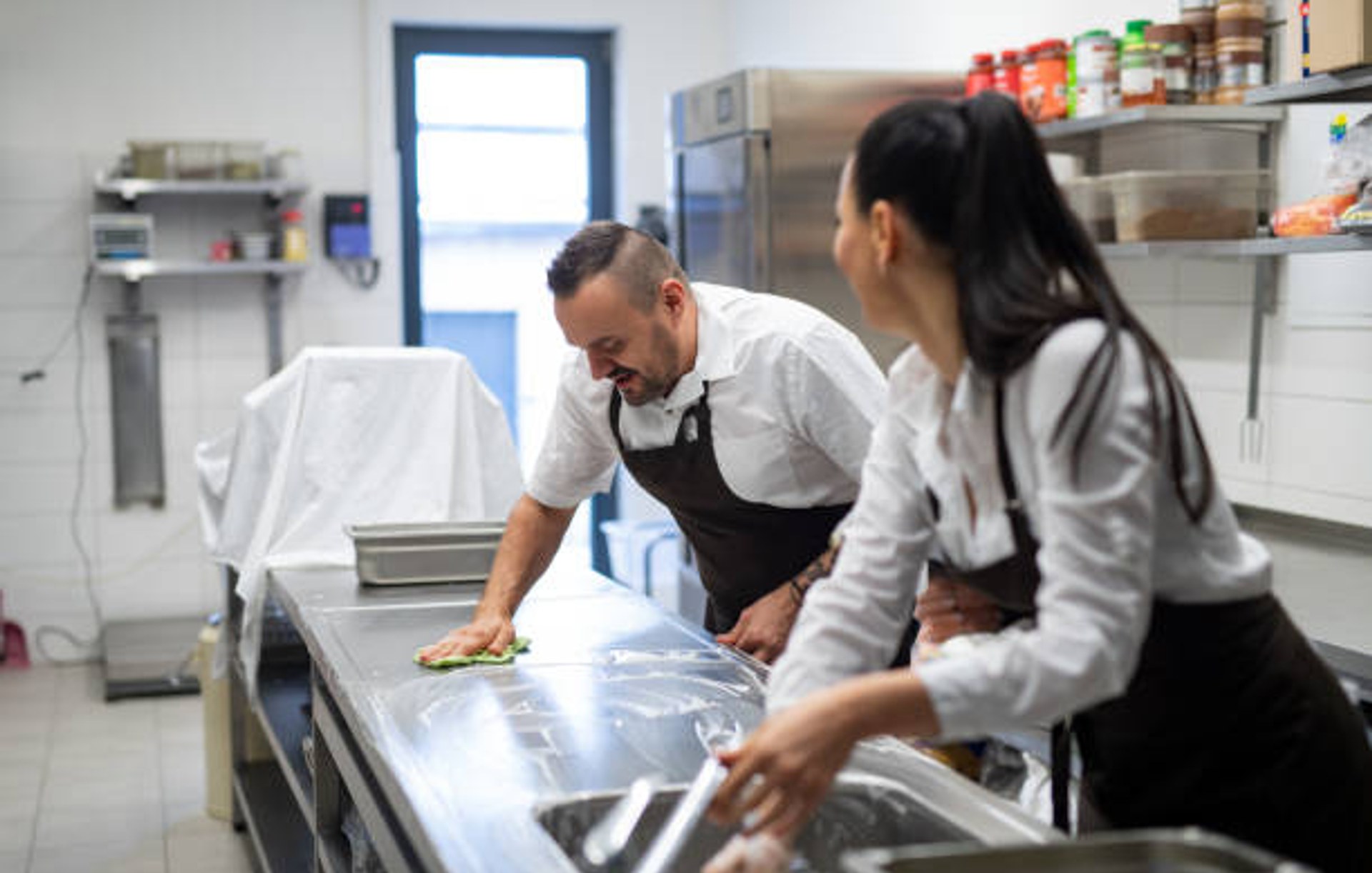
The kitchen is one of the most important areas to include in a restaurant cleaning checklist. Food preparation surfaces, benches and equipment can quickly accumulate food particles, grease and bacteria if they are not cleaned properly.
Essential kitchen cleaning tasks
- Clean and sanitise food preparation benches before and after use.
- Wash chopping boards, utensils and food preparation tools thoroughly.
- Clean splashbacks, wall surfaces and frequently touched handles.
- Remove food scraps from workstations and surrounding floors.
- Clean sinks and taps to prevent the build-up of residue.
- Check that cleaning chemicals are stored away from food and preparation equipment.
Cleaning schedules should distinguish between tasks completed during service and those performed at the end of the day. Food-contact surfaces must be cleaned and sanitised using suitable products according to the manufacturer's instructions.
2. Cooking Equipment, Ovens and Exhaust Systems
Cooking equipment is exposed to high temperatures, oil splashes and grease throughout the working day. Without regular maintenance, grease can accumulate and affect equipment performance, hygiene and workplace safety.
What should be included?
- Clean stovetops, grills, ovens and cooking ranges.
- Remove grease and food residue from accessible equipment surfaces.
- Clean fryers according to the manufacturer's instructions and safe operating procedures.
- Inspect exhaust hoods and accessible grease collection points.
- Arrange professional cleaning of exhaust ducts and filters at appropriate intervals.
- Check equipment for signs of excessive grease accumulation or damage.
Exhaust systems require particular attention because grease deposits can increase fire risks. Cleaning frequency should reflect the type of cooking, operating hours and applicable safety requirements. Specialist cleaning may be necessary for areas that cannot be reached during routine daily cleaning.
3. Floors, Drains and Floor Mats
Restaurant floors are exposed to spills, grease, food debris and constant foot traffic. If these materials are not removed promptly, they can create unpleasant odours, attract pests and increase the risk of slips and falls.
A thorough floor-cleaning routine should include sweeping, mopping and using appropriate cleaning products for the flooring material. Kitchen floors may require degreasing products designed for commercial environments.
Restaurant managers should also ensure that:
- Floor mats are cleaned and dried regularly.
- Spills are addressed immediately.
- Floor drains are cleared of food debris and cleaned appropriately.
- Areas beneath movable equipment are included in scheduled cleaning.
- Wet-floor signs are used whenever necessary.
Drain cleaning is particularly important in commercial kitchens because food waste and grease can accumulate over time. Suitable procedures help prevent blockages and maintain a cleaner working environment.
4. Dining Areas and Customer Seating
Customers notice cleanliness as soon as they enter a restaurant. Sticky tables, dirty chairs and visible floor debris can negatively affect their dining experience, even when the food and service are excellent.
Dining areas should be cleaned throughout the day, particularly between customer sittings and after busy service periods.
Dining area checklist
- Wipe and sanitise tables between customers.
- Clean chair seats, backs and highchairs where provided.
- Remove crumbs and food waste from floors.
- Clean menus, table accessories and condiment containers.
- Dust shelves, decorative features and accessible surfaces.
- Check corners and spaces beneath furniture for accumulated debris.
For restaurants with outdoor dining areas, include patio furniture, entryways and accessible outdoor flooring in the cleaning schedule. A consistent approach helps maintain a welcoming environment for customers across the entire venue.
5. Refrigerators, Freezers and Cold Storage
Cold storage areas play a critical role in preserving food quality and preventing contamination. However, refrigeration units can develop spills, food residue and unpleasant odours when cleaning is overlooked.
A restaurant cleaning checklist should cover both the internal and external surfaces of refrigerators and freezers.
Important tasks include cleaning handles, shelves, drawers and door seals, as well as removing spills as soon as they occur. Food should be protected or relocated safely during cleaning, and storage areas should be dried before food is returned.
Staff should also inspect stored products for expired or spoiled items and follow appropriate food storage procedures.
Cleaning must be coordinated with temperature monitoring and food safety controls. Refrigeration temperatures should be checked and recorded according to the restaurant's food safety procedures, as cleaning alone cannot guarantee safe food storage.
6. Dishwashing Stations and Sinks
Dishwashing stations handle used plates, cutlery, cooking utensils and food preparation equipment. These areas can become heavily contaminated if dirty and clean items are not managed separately.
A reliable cleaning routine should include:
- Removing food scraps from sinks and dishwashing areas.
- Cleaning and sanitising sinks, taps and surrounding benches.
- Cleaning dishwasher filters and accessible components as directed.
- Checking that dishwashing equipment is maintained correctly.
- Cleaning drying racks and storage shelves.
- Keeping clean utensils separate from dirty dishes.
Staff should follow the dishwasher manufacturer's instructions and use suitable detergents and sanitising processes. Maintaining a clear separation between dirty and clean equipment helps reduce the risk of cross-contamination.
7. Toilets and Handwashing Facilities
Clean toilets are essential for customer comfort, staff hygiene and the overall reputation of a restaurant. Toilets and handwashing facilities should be checked frequently, especially during peak trading periods.
The cleaning checklist should include toilets, basins, taps, mirrors, floors, door handles and other frequently touched surfaces. Soap dispensers, hand-drying supplies and toilet paper should also be checked and replenished as required.
Where practical, assign separate cleaning equipment to toilet areas and food preparation spaces. This helps minimise the risk of transferring contaminants between different parts of the premises.
Cleaning records can also help managers confirm that inspections and replenishment tasks are completed consistently throughout the day.
8. Waste Disposal and Recycling Areas
Poor waste management can lead to unpleasant smells, pest activity and unsanitary conditions. Restaurant rubbish bins and waste storage areas should therefore be included in daily cleaning procedures.
Key tasks include emptying bins before they overflow, cleaning and sanitising bin lids and internal surfaces when required, and replacing bin liners regularly.
Staff should separate general waste, recyclable materials and food waste according to local council requirements and the restaurant's waste management arrangements.
Outdoor bin storage areas also need attention. Keep these spaces tidy, clean up spills promptly and ensure waste containers are closed properly. Regular inspections can help identify problems before they affect the surrounding premises.
9. High-Touch Surfaces, Doors and Customer Contact Points
High-touch surfaces are handled repeatedly by staff, customers, delivery drivers and suppliers. Door handles, light switches, payment terminals and shared equipment can accumulate dirt and require regular attention.
A practical checklist should include:
- Door handles and push plates.
- Light switches and frequently used controls.
- EFTPOS terminals and customer service counters.
- Shared telephones and office equipment.
- Handrails and accessible touchpoints.
- Staff lockers and commonly used storage handles.
The frequency of cleaning should reflect how often these surfaces are touched and the level of contamination. Where sanitising is required, use suitable products and follow the recommended contact time.
Including these smaller details in routine inspections helps create a more complete cleaning programme rather than focusing only on visibly dirty areas.
10. Walls, Windows, Ceilings and Ventilation Areas
Walls, windows and other overhead or less frequently cleaned surfaces can be overlooked during busy restaurant operations. Over time, these areas may collect dust, grease, fingerprints and food splashes.
A scheduled deep-cleaning plan should cover accessible wall surfaces, window glass, window tracks, skirting boards, vents and ceiling areas where dust or grease accumulates.
Cleaning teams should also check for signs of mould, water leaks, damaged surfaces and condensation. These issues may require maintenance or specialist attention rather than cleaning alone.
For high or difficult-to-reach areas, use suitable access equipment and trained personnel. Cleaning schedules should be designed to minimise disruption to food preparation and customer service while ensuring that dust and debris do not contaminate exposed food.
How to Create an Effective Restaurant Cleaning Schedule
Identifying the areas that need cleaning is only the first step. Restaurant owners must also establish clear responsibilities and schedules to ensure tasks are completed consistently.
Divide tasks by frequency
A practical cleaning schedule can be organised into three categories:
- Daily tasks: Cleaning food preparation surfaces, dining tables, floors, toilets, dishwashing stations and waste bins.
- Weekly tasks: Cleaning less accessible surfaces, shelving, window tracks, equipment exteriors and areas beneath movable furniture.
- Periodic deep cleaning: Arranging intensive cleaning of exhaust systems, difficult-to-access areas and equipment according to usage, manufacturer recommendations and applicable requirements.
These frequencies are starting points rather than universal rules. Some tasks, including food-contact surface cleaning and spill removal, must occur much more frequently.
Assign responsibilities and maintain records
Allocate specific tasks to staff members or cleaning teams and provide clear instructions for each activity. A written checklist can include the task, responsible person, completion time and verification details.
Businesses that require more extensive cleaning support may benefit from professional Commercial Cleaning Services in Australia, particularly when specialised equipment, after-hours work or additional cleaning capacity is needed.
Professional Restaurant Cleaning Services can complement in-house cleaning routines by addressing areas that require specialist knowledge, equipment or more intensive attention.
Use appropriate cleaning products and procedures
Not every surface requires the same cleaning method. Select products suitable for the material and intended use, follow label directions and keep chemicals stored securely.
Staff should receive training in safe chemical handling, personal protective equipment, cleaning procedures and the separation of cleaning equipment between different areas.
For restaurants seeking additional support, Keen Cleaning can be considered when assessing professional cleaning options for commercial premises. Restaurant operators should confirm that any provider they engage understands their site requirements, operating hours and relevant hygiene expectations.
Why Professional Restaurant Cleaning Matters in Australia
Australian restaurant operators must manage hygiene alongside customer service, staff responsibilities and day-to-day business operations. A structured cleaning checklist makes it easier to identify overlooked areas and maintain consistent standards.
Professional cleaning support can help businesses manage time-consuming tasks, maintain cleaner facilities and establish repeatable cleaning routines. This can be especially valuable for high-volume restaurants, hospitality venues with extended operating hours and businesses that require regular deep cleaning.
When evaluating providers, consider their experience with commercial kitchens, staff training, cleaning methods, insurance and ability to work around restaurant operating schedules.
Keen Cleaning is one option businesses can assess when looking for commercial cleaning support. The right arrangement will depend on the venue's size, cleaning requirements and existing in-house procedures.
Ultimately, effective cleaning combines trained staff, suitable products, regular inspections and clear accountability. These measures help restaurants maintain a professional environment while supporting food safety and customer confidence.
Conclusion
A comprehensive restaurant cleaning checklist should cover every part of the premises, from kitchen benches and cooking equipment to dining spaces, toilets, waste storage and ventilation areas. Each zone has different cleaning needs, so restaurant owners should establish appropriate schedules and make sure staff understand their responsibilities.
By reviewing these ten areas regularly, Australian restaurants can identify hygiene issues earlier, reduce avoidable cleaning problems and provide a more pleasant environment for customers and employees.
Combining daily staff routines with planned deep cleaning and professional support where needed can make cleaning more manageable and consistent. A well-maintained restaurant is not simply more attractive; it also demonstrates a commitment to responsible operations, workplace safety and customer care.
Frequently Asked Questions
1. How often should a restaurant be cleaned?
Restaurants require cleaning throughout the day, including between food preparation activities, after spills and between customer sittings where necessary. Daily cleaning should cover essential kitchen, dining, toilet and waste areas, while deep cleaning should follow a planned schedule based on usage and risk.
2. What should be included in a restaurant cleaning checklist?
A comprehensive checklist should include food preparation surfaces, cooking equipment, floors and drains, dining furniture, refrigeration units, dishwashing stations, toilets, waste disposal areas, high-touch surfaces and windows or ventilation areas.
3. Why are professional restaurant cleaning services important?
Professional cleaning can help restaurants manage specialised tasks, maintain consistent cleaning schedules and address areas that require additional equipment or expertise. It can complement the restaurant's own staff cleaning procedures.
4. Are Australian restaurants required to follow food safety cleaning procedures?
Yes. Food businesses must comply with applicable food safety requirements, including relevant requirements under the Australia New Zealand Food Standards Code and state or territory legislation. Cleaning and sanitising procedures should be appropriate for the food activities being carried out. Businesses should consult their local food authority for requirements that apply to their premises.
5. How can restaurant owners maintain cleaning standards during busy periods?
Restaurant owners can assign clear responsibilities, use short checklists for recurring tasks, schedule inspections and train staff in safe cleaning practices. Arranging appropriate after-hours cleaning can also help manage more intensive tasks without disrupting service.